


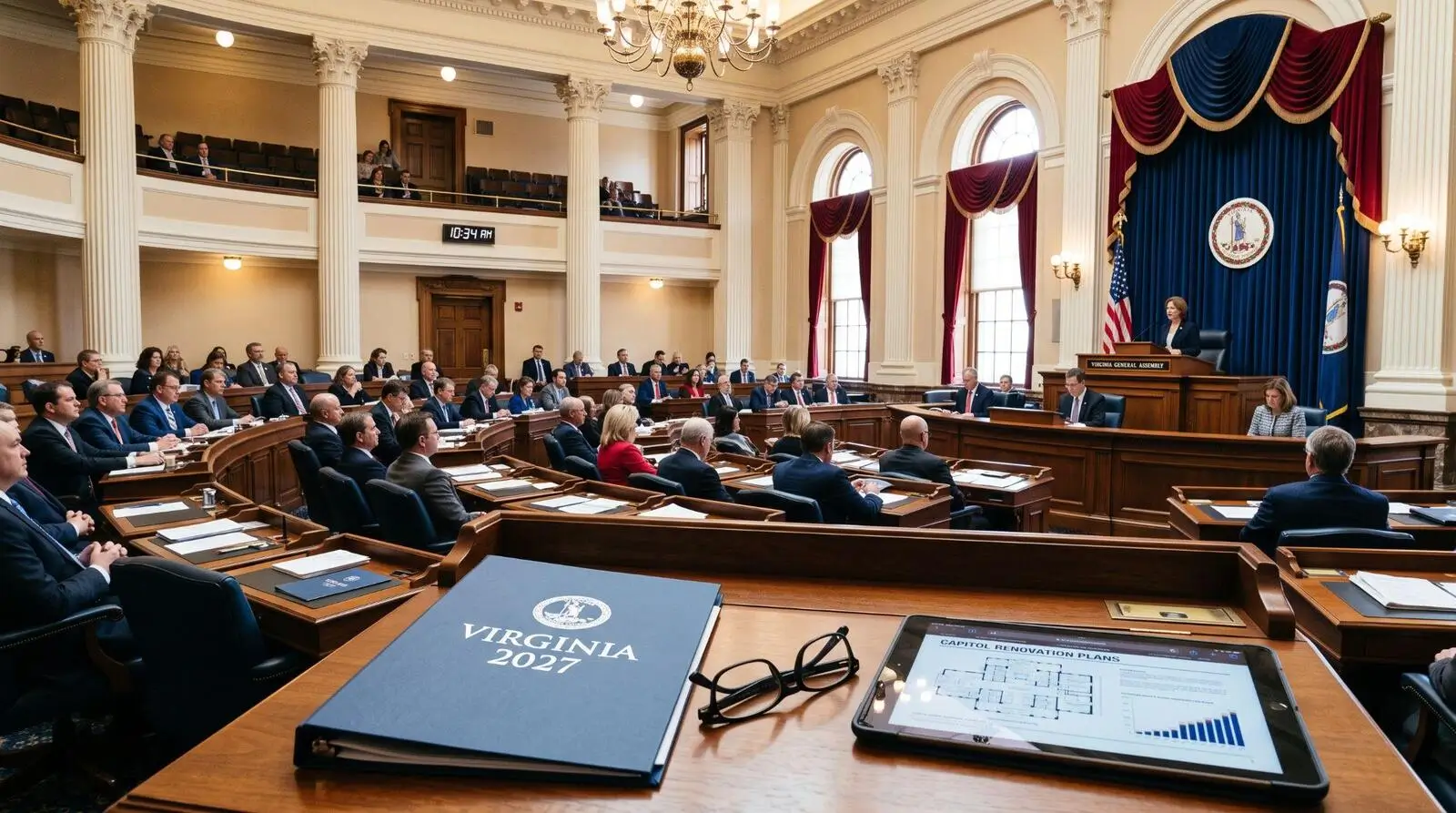
Virginia landlords felt the 2026 General Assembly session directly. Several changes to the Virginia Residential Landlord and Tenant Act took effect on July 1, 2026, from a longer late-rent grace period to new limits on maintenance charges.
The 2027 session is now on the horizon. Before new bills are filed, Richmond, Glen Allen, and Henrico landlords should make sure they have adjusted to the 2026 laws and know what issues may come up next.
Key Takeaways
- The 2026 session ran from January 14 to March 14, 2026, and most new laws took effect July 1, 2026.
- Virginia extended the late-rent grace period before eviction proceedings from 5 days to 14 days.
- New laws limit what landlords can charge for routine maintenance and require more than one way to pay rent.
- The 2027 session is a shorter, odd-year session expected to convene in January 2027.
- Follow-up adjustments to 2026 laws and new housing proposals are likely topics in 2027.
A Quick Recap of the 2026 Session
The 2026 General Assembly met from January 14 to March 14, 2026, and Governor Abigail Spanberger signed more than 900 bills by her April 13 deadline, according to the Cavalier Daily. The standard effective date for new laws was July 1, 2026.
Housing was a major focus. The legislature passed more than a dozen housing-related bills covering zoning, supply, and tenant protections, as HousingForward Virginia summarized.
2026 Laws Richmond Landlords Should Already Follow
- Longer grace period (HB 15 / SB 48): The time a tenant has to pay overdue rent after notice, before a landlord can begin eviction proceedings, was extended from 5 to 14 days, as reported by the Virginia Mercury and the Cavalier Daily.
- Maintenance charges and payment options (HB 1005): Landlords generally may not charge tenants for routine maintenance or repairs unless the tenant caused the damage, must allow more than one way to pay rent, and must be more transparent about payments.
- Unsafe conditions (HB 281): A new tenant remedy addresses nonpayment of rent when unsafe conditions put a tenant's life, health, or safety at risk.
- Eviction Reduction Program (SB 628): The state's eviction reduction pilot program was expanded, according to ALXnow.
- Accessory dwelling units (SB 531): Localities must allow ADUs in single-family residential zones statewide.
If your notices, lease templates, and fee schedules have not been updated since July, now is the time. A 5-day pay-or-quit notice that ignores the new 14-day window could cause problems in court. Our rent collection process already reflects the 14-day window.
What to Expect From the 2027 Session
Virginia's General Assembly meets for a shorter session in odd-numbered years, and the 2027 session is expected to convene in January 2027. Bills are typically prefiled in the weeks before the session begins, so landlords may start seeing proposals in late fall.
No one can predict exactly which bills will pass. Based on recent sessions, these are the areas landlords may want to watch:
- Clean-up of 2026 laws: New laws often get technical fixes the following year once courts and landlords start applying them.
- Rent increase limits: Proposals to limit or regulate rent increases have been introduced in past sessions and could return.
- Fees and transparency: The 2026 changes on fees and payments may be expanded or clarified.
- Eviction process: The grace period change and eviction diversion programs may lead to further adjustments.
- Housing supply: ADU implementation and zoning reform may continue, which can affect investors looking at new units.
How Richmond Landlords Can Stay Ahead
- Review your notices and leases for compliance with the July 1, 2026 changes.
- Track bills on the Virginia Legislative Information System once prefiling begins.
- Follow trusted news coverage, such as the Virginia Mercury, during the session.
- Talk with a Virginia landlord-tenant attorney before changing procedures.
- Work with a property manager who updates forms as laws change. Learn more about Richmond property management.
Updating Your Forms and Processes
The 2026 changes affect everyday paperwork. Pay-or-quit notices should reflect the 14-day window, lease fee schedules should be reviewed for routine maintenance charges, and rent payment instructions should offer more than one method. If you work with templates from a few years ago, they may now be out of date.
Benefits and Challenges for Landlords
Clearer rules can reduce disputes and make expectations easier to communicate to tenants. Programs like the expanded eviction reduction pilot may also help some tenants catch up on rent, which can mean fewer vacancies.
The challenges are real, too. Longer timelines before eviction can increase the cost of nonpayment, and new compliance rules require careful updates to leases and processes. Owners who stay informed are better positioned to adjust without surprises.
Hypothetical example for illustration only: On a Henrico home renting for $1,800 per month, the change from a 5-day to a 14-day grace window adds nine days before eviction proceedings can begin. That represents roughly $530 in additional unpaid rent exposure if a tenant ultimately does not pay.
Frequently Asked Questions
When does Virginia's 2027 General Assembly session start?
The session is expected to convene in January 2027. Odd-year sessions are shorter than even-year sessions. Check the General Assembly's website for the official schedule.
What is Virginia's late-rent grace period now?
Under laws that took effect July 1, 2026, tenants generally have 14 days after notice to pay overdue rent before eviction proceedings can begin, up from 5 days.
Can I charge tenants for routine maintenance in Virginia?
Under HB 1005, landlords generally may not charge tenants for routine maintenance or repairs unless the tenant caused the damage. Review your lease with an attorney.
How can I track new landlord bills?
The Virginia Legislative Information System lets you search bills by keyword, sponsor, or subject once they are filed.
Stay Informed Before the Session Begins
The 2027 session will build on major changes from 2026. Richmond landlords who update their processes now and watch the new session closely will be ready for whatever comes next.
Relevate Property Guides helps Richmond, Glen Allen, and Henrico owners stay compliant as Virginia law changes. Contact our team to review your leases and processes.